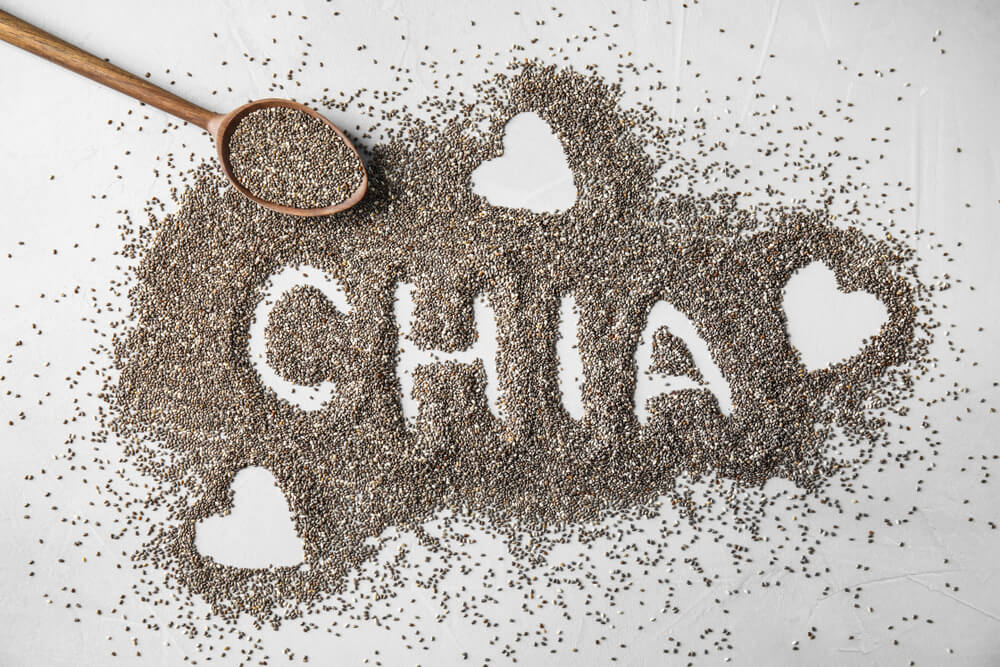
Chia seeds are tiny seeds. These black-and-white seeds are loaded with fiber, omega-3 fatty acids, antioxidants, and essential minerals, making them one of the most nutrient-dense foods available.
Chia Seeds in Urdu
In Urdu, chia seeds are called چیا کے بیج. These tiny black or white seeds have become increasingly popular in Pakistan due to their incredible health benefits.
Chia Seeds Meaning in Urdu
The term “chia seeds” literally translates to چیا کے بیج in Urdu.
Chia = چیا
Seeds = بیج
Some people assume it has a more traditional or desi name, but in reality, the term is simply a transliteration from English. It’s important to note that چیا کے بیج are not native to the Indian subcontinent, so traditional names are rare.
Chia Seeds Name in Urdu and Hindi
Here’s how chia seeds are commonly referred to in local languages:
In Urdu: چیا کے بیج
In Hindi: चिया के बीज
In local stores or herbal shops, you may see labels like “Chia Beej” or “Chia Dana.” However, be cautious — sometimes basil seeds (تخم ملنگا) are wrongly sold as chia seeds because they look very similar after soaking in water. The key difference is in taste, size, and nutritional value.
Chia Seeds Plant Name in Urdu
Chia seeds come from a plant called Salvia Hispanica, a member of the mint family. In Urdu, the plant is generally referred to as:
چیا کا پودا (Chia ka poda)
Since the chia plant isn’t commonly grown in South Asia, it doesn’t have a traditional botanical name in Urdu. That’s why you’ll usually find the English or scientific name used in herbal books or product labels.
🌱 What Are Chia Seeds?
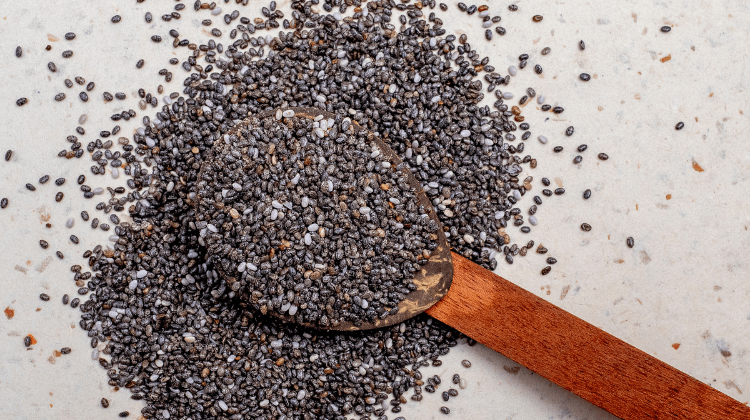
Chia seeds are tiny, oval seeds that come from the Salvia hispanica plant, a species native to Central America and historically valued by Aztec and Mayan civilizations for their energy-boosting properties. Today, they’re a go-to superfood in wellness circles due to their nutritional density and versatility in meals.
🧬 Nutritional Overview of Chia Seeds
Despite their small size, chia seeds are packed with important nutrients. According to research ,a single tablespoon (about 13g) provides:
| Nutrient | Amount per 1 tbsp (~13g) |
|---|---|
| Fiber | ~5g (great for digestion and weight control) |
| Protein | ~2g of complete, plant-based protein |
| Omega-3 Fatty Acids | Especially alpha-linolenic acid (ALA), known to support heart health |
| Calcium, Phosphorus & Magnesium | Essential for bone strength and overall metabolic function |
| Antioxidants | Help protect cells from oxidative stress |
Are Chia Seeds Gluten-Free?
Yes, chia seeds are naturally gluten-free, making them a safe and nutritious option for people with gluten sensitivities, celiac disease, or those following a gluten-free lifestyle. They can easily be added to gluten-free baked goods, smoothies, and breakfast bowls without compromising on nutrition.
What Do Chia Seeds Taste Like?
A common question is: “Do chia seeds have a taste?”
The answer: chia seeds have a very mild, almost neutral flavor. When dry, they offer a subtle crunch. When soaked, they take on a gel-like consistency with a smooth texture, absorbing the taste of whatever they’re mixed with—be it fruit juice, yogurt, or milk.
This neutral profile makes chia seeds perfect for sweet or savory dishes. They don’t alter flavor but enhance texture and nutritional value.
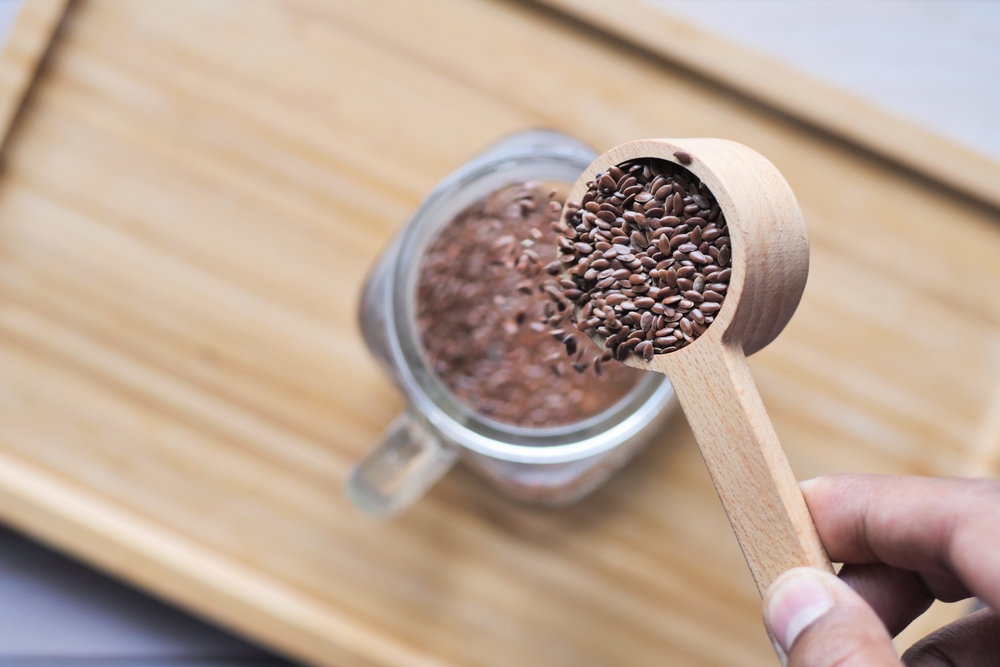
How to Prepare Chia Seeds Properly
Chia seeds are nutrient-dense on their own, but how you prepare them can significantly impact their digestibility, texture, and health benefits. Preparing them the right way also helps unlock their gel-like properties, which many people love for digestion, hydration, and satiety.
Let’s break it down step by step.
A. Soaking Chia Seeds
Why Soak Chia Seeds?
Soaking chia seeds makes them easier to digest and allows your body to absorb their nutrients more effectively. When soaked, chia seeds expand and form a gel-like coating due to their soluble fiber content. This gel helps regulate blood sugar, promote fullness, and support gut health.
Step-by-Step: How to Soak Chia Seeds
- Measure chia seeds – Start with 1 tablespoon (around 13g) of chia seeds.
- Add liquid – Use water, milk, or juice depending on the recipe.
- Stir immediately – This prevents clumping.
- Let them sit – Give them time to absorb liquid and expand fully.
Water-to-Chia Ratio
How much chia seeds in water?
A standard ratio is 1 tablespoon of chia seeds to ½ cup (120ml) of liquid. For a thicker gel or pudding-like consistency, reduce the liquid slightly.
How Long Do Chia Seeds Need to Soak?
If you’re wondering how long to soak chia seeds — the ideal soaking time is 15 to 20 minutes at room temperature. However, letting them sit for at least 2 hours or overnight in the refrigerator gives the best texture for puddings, smoothies, and drinks.
Can You Eat Chia Seeds Without Soaking?
Yes, you can eat chia seeds raw, but there are pros and cons.
Pros:
- Add crunch to salads, yogurt, granola
- More convenient—no prep needed
Cons:
- May cause bloating if not taken with enough water
- Less digestible, which can reduce nutrient absorption
- Can stick to teeth and dry out your mouth
Tip: If eating them dry, drink plenty of water to prevent discomfort or dehydration.
🌿 Top Health Benefits of Chia Seeds
Chia seeds (چیا کے بیج) are one of the most powerful superfoods known for their incredible impact on health. If you’re searching for “chia seeds in Urdu,” “chia seeds meaning in Urdu,” or want to know how chia seeds help with weight loss, skin, and hair, you’re in the right place.
Let’s break down the top health benefits of chia seeds and then explain each one in detail.
✅ 10 Health Benefits of Chia Seeds
- Aid in weight loss and appetite control
- Improve digestive health
- Promote glowing and hydrated skin
- Strengthen hair and reduce hair fall
- Support heart health with omega-3s
- Help manage blood sugar levels
- Boost energy and endurance
- Detoxify the body naturally
- Strengthen bones and teeth
- Provide plant-based protein for muscle repair
1. Aid in Weight Loss and Appetite Control
Chia seeds are high in soluble fiber, which absorbs water and expands in your stomach, keeping you full for longer. When soaked in water, they form a gel-like substance that helps reduce unnecessary snacking and cravings. That’s why people often use chia seeds for weight loss in Urdu diets — simply soak them overnight and drink on an empty stomach.
2. Improve Digestive Health
The high fiber content also promotes regular bowel movements and a healthy gut. Chia seeds act like a gentle internal cleanser — perfect for anyone struggling with constipation or bloating.
3. Promote Glowing and Hydrated Skin
Thanks to antioxidants and omega-3 fatty acids, chia seeds protect your skin from damage caused by pollution and aging. They improve hydration, reduce inflammation, and enhance your natural glow from within.
4. Strengthen Hair and Reduce Hair Fall
Chia seeds are packed with protein, iron, and zinc — all essential for stronger hair roots and faster hair growth. They also reduce dryness and dandruff, giving your hair a healthy, nourished look.
5. Support Heart Health with Omega-3s
Chia seeds are one of the richest plant-based sources of omega-3s, which help lower cholesterol and reduce the risk of heart disease. They support overall cardiovascular health — something especially important for those with high cholesterol.
6. Help Manage Blood Sugar Levels
The gel formed by soaked chia seeds slows down the absorption of sugar into your bloodstream. This makes them great for people managing diabetes or trying to maintain stable energy throughout the day.
7. Boost Energy and Endurance
Once known as the “runner’s food” by ancient warriors, chia seeds are a slow-releasing energy source. A great pre-workout or morning drink ingredient to keep you energized and focused all day.
8. Detoxify the Body Naturally
Chia seeds help flush out toxins from your digestive tract and support liver function. Regular use helps cleanse the body naturally and keeps your system running smoothly.
9. Strengthen Bones and Teeth
Chia seeds are a good source of calcium, magnesium, and phosphorus, which contribute to stronger bones and teeth — especially important as we age. Regular consumption can help prevent conditions like osteoporosis and support long-term skeletal health.
10. Provide Plant-Based Protein
Ideal for vegetarians, chia seeds offer a complete plant-based protein source. It helps in muscle recovery, repair, and maintaining lean body mass without adding unnecessary fats.
❓ Frequently Asked Questions (FAQs)
Can you eat chia seeds raw?
Yes, you can eat chia seeds raw, but it’s recommended to soak them for better digestion and nutrient absorption.
Are chia seeds gluten-free?
Yes, chia seeds are naturally gluten-free and safe for people with gluten intolerance or celiac disease.
Can you put chia seeds in a smoothie?
Absolutely! Chia seeds are perfect for smoothies — they add fiber, omega-3s, and thickness without changing the taste.
Can I put chia seeds in yogurt?
Yes. Stir in a tablespoon of chia seeds into yogurt and let it sit for 10–15 minutes. It adds texture and boosts nutrition.
Can babies eat chia seeds?
Chia seeds can be introduced to babies (usually after 6–8 months), but always consult a pediatrician first. Make sure the seeds are soaked and soft to avoid choking hazards.
🌱 Difference Between Chia Seeds & Basil Seeds
Chia seeds and basil seeds often get confused with one another because they look similar at first glance. However, if you’re wondering about the difference between chia seeds and basil seeds, there are key differences in their appearance, nutritional value, taste, and how they’re used.
Let’s break it down in detail.
1. Appearance of Chia Seeds
Chia Seeds: Tiny, oval-shaped, usually black or grey with a smooth finish.
Basil Seeds: Slightly larger, completely black, and rounder in shape.
When soaked in water:
Chia seeds take around 20–30 minutes to absorb water and form a gel-like coating.
Basil seeds swell up within 5–10 minutes, making them a quicker option for drinks.
2. Nutritional Profile
| Nutrient | Chia Seeds | Basil Seeds |
|---|---|---|
| Fiber | Very High | Moderate |
| Omega-3 Fatty Acids | Excellent Source | Low |
| Antioxidants | Rich | Moderate |
| Cooling Effect | Mild | Strong (great for hot weather) |
Chia Seeds support heart health, weight management, and brain function.
Basil Seeds are ideal for cooling the body, aiding digestion, and relieving acidity.
3. Taste and Texture
Chia Seeds have a neutral taste, making them perfect to add to smoothies, water, or desserts without changing the flavor.
Basil Seeds have a slightly herbal flavor and a more noticeable mouthfeel when chewed.
4. Common Uses in Food and Drinks
| Use Case | Chia Seeds | Basil Seeds |
|---|---|---|
| Weight Loss Drinks | ✅ Excellent for keeping you full | ✅ Good option for digestion |
| Detox Water / Smoothies | ✅ Blends well with any recipe | ✅ But slightly alters the taste |
| Traditional Summer Drinks | ❌ Less commonly used | ✅ Popular in Falooda, Rooh Afza, etc. |
| Cooling the Body (Heat Relief) | ❌ Mild effect | ✅ Excellent natural coolant |
So Which One Should You Choose?
Choose chia seeds if your goal is weight loss, heart health, or adding omega-3s to your diet.
Go for basil seeds if you’re looking to stay cool in summer, improve digestion, or want a refreshing drink ingredient.
❓Frequently Asked Question
Do chia seeds taste like basil seeds?
No. Chia seeds have a neutral or almost no taste, which makes them versatile for recipes. Basil seeds, in contrast, have a slightly herbal flavor and a different, more pronounced texture when eaten.
Chia Seeds Side Effects You Should Know
Chia seeds are often used for their many health benefits, but like any food, consuming them in excess or without proper preparation can lead to some side effects. While chia seeds are generally safe for most people, it’s important to understand the potential risks.
Let’s explore the chia seeds side effects and highlight any specific concerns, particularly for females.
1. Eating too Many Chia Seeds Can Cause Digestive Issues
Chia seeds are packed with fiber, which is great for digestion in moderate amounts. However, if you suddenly increase your intake of chia seeds without giving your digestive system time to adjust, you may experience bloating, gas, or constipation. This happens because the fiber absorbs water and expands in your digestive tract.
To prevent digestive discomfort, always start with a small amount and gradually increase your intake while staying hydrated.
2. Large Amount of Chia Seed May Lower Blood Pressure
Chia seeds are rich in omega-3 fatty acids, which are known for their ability to lower blood pressure. While this can be beneficial for people with high blood pressure, it can be a concern for individuals already on medication for hypertension.
If you have low blood pressure or take blood pressure medications, it’s important to monitor your intake of chia seeds and consult your healthcare provider before incorporating them into your routine.
3. Chia Seeds Side Effects in Females
For most women, chia seeds can be a healthy addition to their diet. But, stop here. There is a potential concern when consuming chia seeds in excessive amounts, especially for those with hormonal imbalances. Chia seeds contain phytoestrogens, which are plant-based compounds that can mimic estrogen in the body. In some cases, this may affect women with certain hormone-related conditions, such as PCOS or endometriosis.
For women with hormonal concerns, it’s recommended to consume chia seeds in moderation and consult a doctor if unsure.
4. Why You Should Never Eat Dry Chia Seeds
One of the most important tips when consuming chia seeds is to soak them before eating. If you eat dry chia seeds and then drink liquids, the seeds can expand in your throat, potentially leading to a choking hazard. Always soak chia seeds in water or your favorite liquid before consuming them, especially if you’re adding them to smoothies or drinks.
5. Excessive Intake May Impact Kidneys
Chia seeds are high in oxalates, which are compounds that can contribute to kidney stones in people who are susceptible to them. If you have a history of kidney stones or kidney disease, it’s wise to limit your chia seed intake and seek medical advice before adding them to your daily diet.
❓ Frequently Asked Questions
1. Can chia seeds cause bloating?
Yes, due to their high fiber content, chia seeds can cause bloating and digestive discomfort if consumed in large quantities or without proper hydration. Start with a small amount and drink plenty of water.
2. Can chia seeds lower blood pressure?
Yes, chia seeds are rich in omega-3 fatty acids, which can help lower blood pressure. This can be beneficial for those with high blood pressure but may not be ideal for those who already have low blood pressure or are on blood pressure medication.
3. Are chia seeds safe for females with hormonal imbalances?
In moderation, chia seeds are generally safe for most women. However, because they contain phytoestrogens, women with conditions like PCOS or endometriosis may want to consult a doctor before adding them to their diet.
4. Can chia seeds be eaten without soaking?
It’s recommended to soak chia seeds before eating to prevent choking and to make them easier to digest. Dry seeds can expand in your throat when consuming liquids, which can pose a risk.
5. Can chia seeds cause kidney stones?
Chia seeds contain oxalates, which may contribute to kidney stones in some people. If you have a history of kidney issues, it’s best to limit chia seed consumption and consult your doctor.
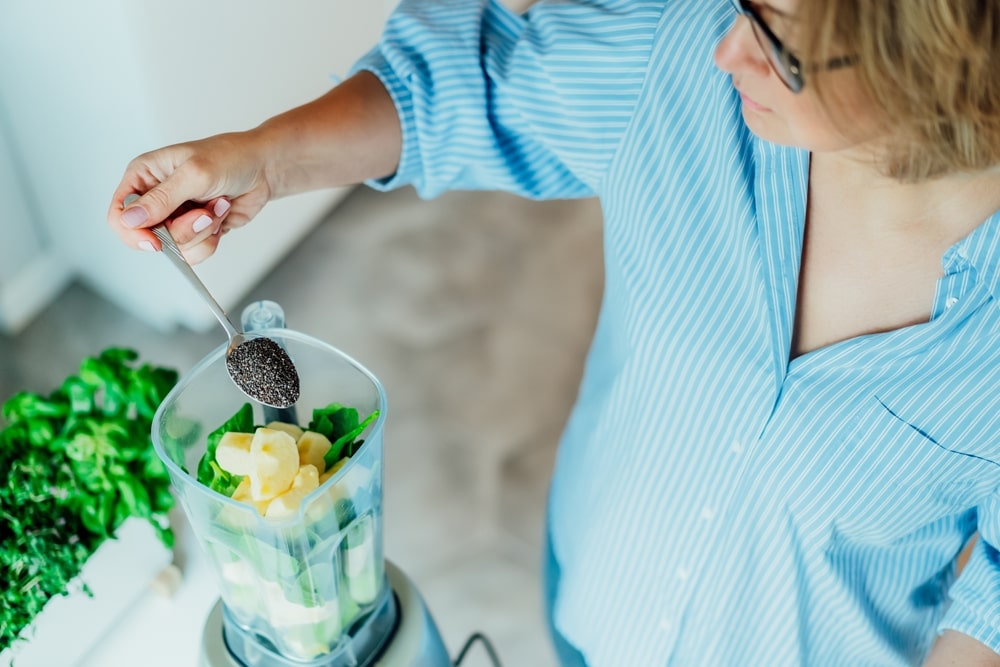
Is It Safe to Eat Chia Seeds During Pregnancy?
Chia seeds are a popular superfood packed with nutrients that offer various health benefits. But, if you’re pregnant, you might be wondering,
“Is it safe to eat chia seeds during pregnancy?”
Let’s explore the safety, benefits, and precautions to consider when consuming chia seeds during this important phase of life.
1. Nutritional Benefits of Chia Seeds for Pregnant Women
Chia seeds are rich in fiber, omega-3 fatty acids, protein, and various vitamins and minerals, making them a great addition to a pregnant woman’s diet. Here’s why:
- Omega-3 Fatty Acids: These healthy fats are crucial for the baby’s brain and eye development. Consuming chia seeds can help provide essential omega-3s.
- Protein: Protein is essential for the growth of tissues, including the baby’s muscles and organs.
- Fiber: Chia seeds are a good source of fiber, which can help with digestive issues like constipation, a common concern during pregnancy.
- Calcium and Iron: These nutrients are essential for both maternal and fetal bone health and blood production.
Given their nutrient profile, chia seeds can be a valuable part of a healthy pregnancy diet.
2. How Much Chia Seeds During Pregnancy?
While chia seeds are nutritious, moderation is key. Overconsumption may lead to excessive fiber intake, which could cause digestive discomfort such as bloating or gas. Generally, consuming 1–2 tablespoons of chia seeds per day is recommended during pregnancy.
Tip: Start with a small amount, especially if you’re new to chia seeds, and gradually increase your intake while staying hydrated.
3. Soaking Chia Seeds – A Must for Pregnant Women
Expectant mothers need to exercise caution when eating dry chia seeds because this food substance can create significant gastric expansion which could pose a throat choking risk.
Prior to eating chia seeds they need soaking because this process allows better digestion while preventing digestive distress and airway blockages.
A combination of water and milk along with smoothie base solutions will help chia seeds soften after 10–15 minutes of soaking.
4. When to Avoid Chia Seeds During Pregnancy
In most cases, chia seeds are safe during pregnancy. But remember, there are a few things to keep in mind:
- Allergies: If you are allergic to seeds or have a history of food allergies, you should consult your doctor before adding chia seeds to your diet.
- Blood Pressure: Since chia seeds can lower blood pressure, if you already have low blood pressure or are taking medication for hypertension, consult your doctor to make sure it’s safe.
- Diabetes: Chia seeds can help regulate blood sugar levels, but if you have gestational diabetes or any related conditions, make sure to monitor your intake with the guidance of your healthcare provider.
❓ Frequently Asked Questions
Can I eat chia seeds while pregnant?
Yes, chia seeds are generally safe to eat during pregnancy, as long as you consume them in moderation.
Can babies eat chia seeds?
Chia seeds are a nutritious option for older babies (around 6 months and above) when prepared correctly. However, they should be soaked and mashed to avoid any choking hazards. Always consult your pediatrician before introducing new foods.
Chia Seeds Price and Where to Buy in Pakistan
Chia seeds have gained significant popularity in Pakistan due to their many health benefits.
If you’re interested in adding these nutrient-packed seeds to your diet, you might be wondering, “What is the chia seeds price in Pakistan?” and “Where can I buy chia seeds?”
Let’s dive into the prices, where to find them, and what to expect when purchasing chia seeds in Pakistan.
1. Chia Seeds Price in Pakistan
The price of chia seeds in Pakistan can vary depending on the brand, quantity, and store. On average, you can expect to pay between PKR 500 to PKR 2000 for a 250g to 500g pack of chia seeds. The price can fluctuate based on factors such as location, quality, and whether the chia seeds are organic or conventional.
Here are some general price ranges:
Local, non-organic chia seeds (250g): Around PKR 500 – PKR 800
Organic chia seeds (250g): Around PKR 1000 – PKR 1600
Larger quantities (500g or 1kg): Prices can go up to PKR 1500 – PKR 2000, depending on the brand and quality.
2. Where to Buy Chia Seeds in Pakistan
Chia seeds are widely available in many supermarkets and online stores across Pakistan. Here are some trusted places where you can purchase chia seeds:
1. Carrefour Pakistan
2. Imtiaz Supermarket
3. Metro Cash & Carry
4. Daraz
5. Healthy You
6. GreenValley
3. What to Look for When Purchasing Chia Seeds
When buying chia seeds in Pakistan, keep these tips in mind to ensure you get the best quality:
- Check the packaging: Make sure the chia seeds are properly sealed to avoid contamination.
- Look for organic options: Organic chia seeds are free from pesticides and other harmful chemicals, making them a healthier choice.
- Compare prices: Prices can vary between stores, so it’s a good idea to compare and find the best deal.
- Expiration date: Chia seeds are rich in oils, which can go rancid if stored improperly. Always check the expiration date before purchasing.
Frequently Asked Questions
Where are chia seeds in grocery stores?
Chia seeds are typically found in the health food section or the nuts and seeds aisle of major grocery stores like Carrefour, Imtiaz Supermarket, and Metro. If you’re shopping online, you can check platforms like Daraz or Healthy You for convenience.
Where to get chia seeds in Pakistan?
You can get chia seeds from Carrefour, Imtiaz Supermarket, Metro, Daraz.pk, Healthy You, and GreenValley in Pakistan. These stores offer a range of chia seed brands, both organic and conventional, to suit different budgets.
Chia Seeds Plant: Facts and Names in Urdu
Chia seeds come from a unique plant known for its nutritional superpowers and historical significance. While chia seeds have become popular globally, not many people are familiar with the plant they come from — or its name in Urdu.
🌱 What is the Chia Plant?
Chia seeds are harvested from the Salvia Hispanica plant, which belongs to the mint family (Lamiaceae). This flowering plant is native to Central America, particularly Mexico and Guatemala, and has been cultivated for centuries — even by the ancient Aztecs — for its energy-boosting and medicinal properties.
📌 Chia Seeds Plant Name in Urdu
In Urdu, the chia plant is commonly referred to as:
تخم شربت کا پودا (Tukhm-e-Sharbat Ka Poda) – though this is also used for basil (sabja) seeds, leading to confusion.
چیا کا پودا (Chia ka poda) – the direct translation used more frequently now as chia becomes more mainstream.
It’s important to note that chia seeds (چیا کے بیج) are often mistaken for basil seeds (تخم ملنگا) due to similar appearance and usage, but they come from different plants.
What Does the Chia Plant Look Like?
- Height: The chia plant grows between 3 to 4 feet tall.
- Leaves: It has broad, serrated leaves.
- Flowers: It blooms with purple or white flowers, attracting pollinators like bees.
- Seeds: After flowering, the plant produces small oval seeds — the well-known black or white chia seeds.
Where and How Does It Grow?
Chia plants thrive in warm, sunny climates with well-drained soil. While native to Mexico, they are now cultivated in other regions like:
- India
- Pakistan (in limited areas)
- Australia
- Argentina
- United States
Though not widely grown commercially in Pakistan, interest in cultivating chia is growing due to the increasing demand.
Interesting Facts About the Chia Plant
- The word “chia” comes from the ancient Mayan word for “strength.”
- One plant can produce hundreds of seeds, making it a rich crop.
- The seeds do not require chemical fertilizers, making them a favorite in organic farming.
What Do Chia Seeds Taste Like and How to Store Them
Chia seeds have gained massive popularity for their nutritional benefits, but many first-time users wonder: what do they taste like, and how should they be stored?
What Do Chia Seeds Taste Like?
If you’re expecting a bold flavor, you might be surprised.
Neutral Flavor Profile
Chia seeds have a very mild, almost neutral taste — they don’t overpower other ingredients. That’s exactly why they pair well with smoothies, yogurts, puddings, juices, and even baked goods.
- Dry chia seeds: Slightly nutty and crunchy.
- Soaked chia seeds: Take on the flavor of whatever liquid they’re mixed with, like lemon water, milk, or fruit juice.
How to Store Chia Seeds Properly
Proper storage is crucial to maintain chia seeds’ shelf life and nutritional quality.
For Dry Chia Seeds:
Store in an airtight container
- Keep in a cool, dry, and dark place like a pantry or cupboard
- Can also be stored in the refrigerator for added shelf life
For Soaked Chia Seeds (Chia Gel):
- Store in a sealed glass jar or container
- Keep in the refrigerator
- Best used within 3–5 days
Do Chia Seeds Expire?
Yes, chia seeds do expire, but their shelf life is long if stored correctly.
- Unopened chia seed packs: Up to 4–5 years
- Opened but stored properly: Usually last 1–2 years
- Soaked chia seeds: Should be used within a few days
Can I Eat Expired Chia Seeds?
If your chia seeds are past their expiration date but:
- Don’t smell rancid
- Aren’t clumping or sticky
- Don’t have visible mold
…they are likely still safe in small amounts. But for optimal health benefits, it’s better to use fresh chia seeds.
Key Takeaways
Chia seeds (تخم شربت) are loaded with fiber, plant-based protein, omega-3 fatty acids, and essential minerals — making them a smart, nutrient-dense addition to your diet.
Research shows the potential benefits of chia seeds like weight management, improved digestion, and better skin and hair health. Still, more clinical studies are needed to confirm some of these effects.
If you’re looking to enhance your nutrition naturally, chia seeds are easy to incorporate into your routine. Add them to smoothies, yogurt, water, or oatmeal for a simple health boost.