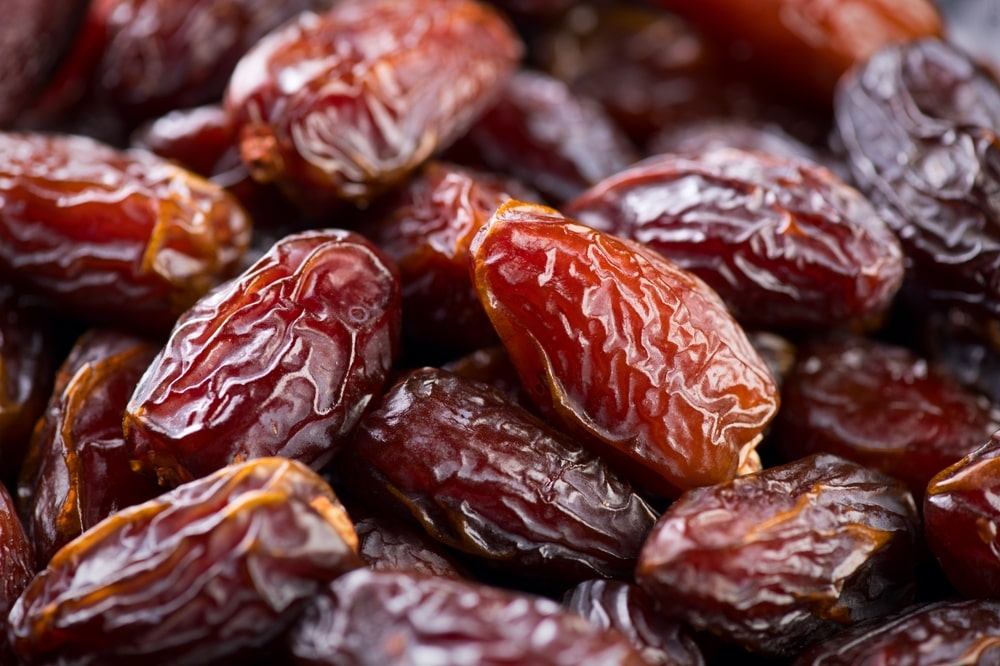
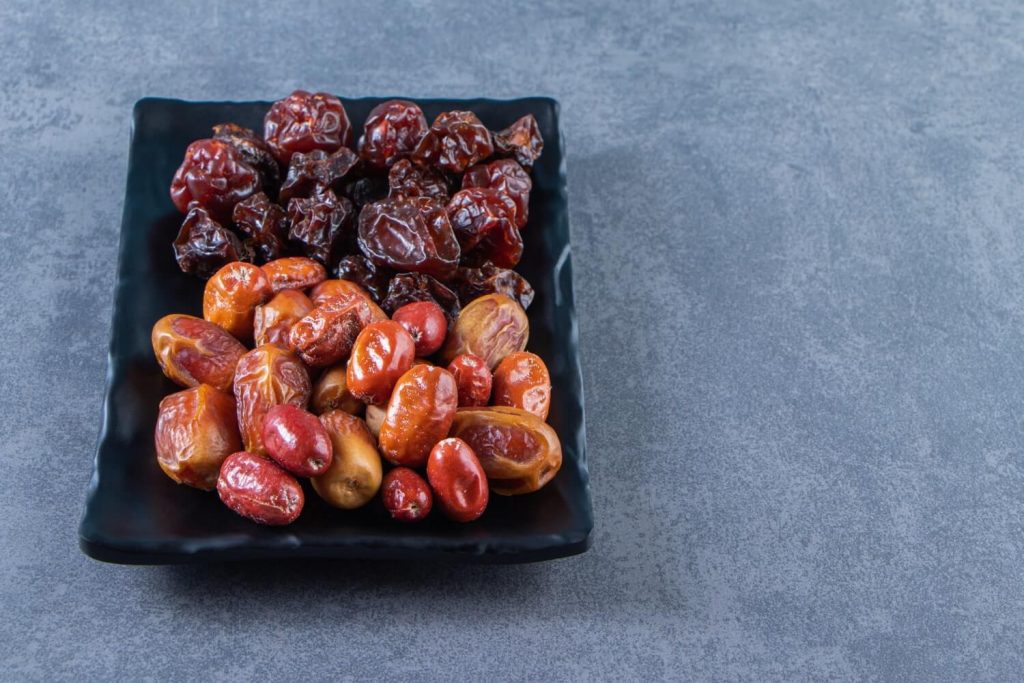
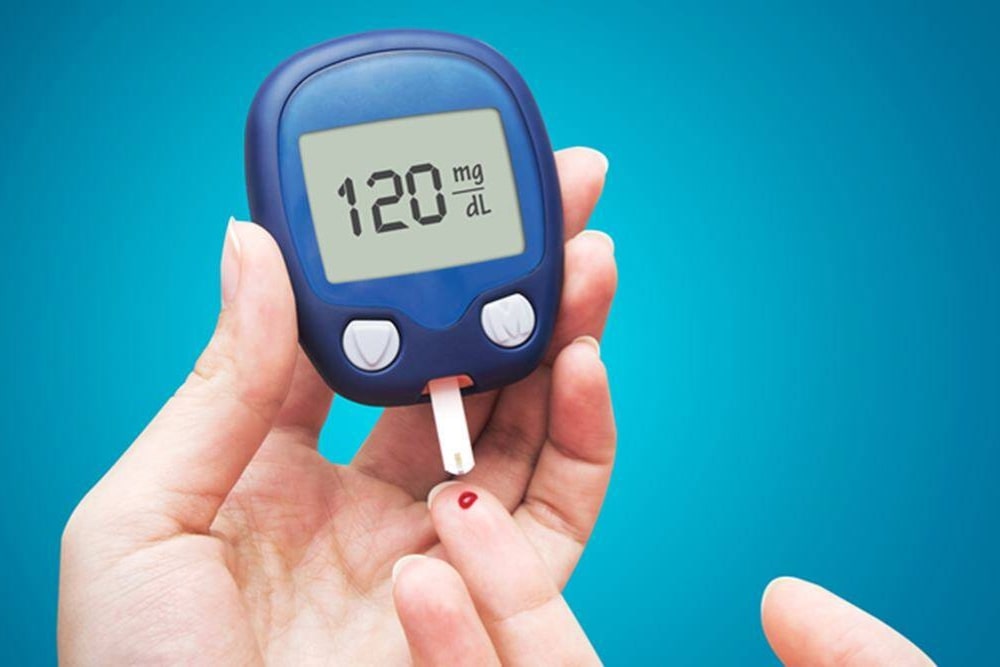
Dates are one of the simplest and most nutritious foods expectant mothers can add to their daily meals.
These are packed with natural sugars, minerals, and fiber, they support energy, digestion, and pregnancy wellness.
This guide explains why dates are considered a pregnancy superfood and how to eat them safely.
Why Dates Are Recommended During Pregnancy
Dates are one of the most beneficial whole foods expectant mothers can add to their daily routine. They offer quick energy, essential minerals, and natural fiber that support both maternal health and fetal development.
Here’s why they’re often recommended during pregnancy.
1. Nutrient Profile of Dates
Natural sugars for quick energy
Dates contain natural carbohydrates mainly glucose and fructose that provide a gentle, steady energy boost. These sugars help pregnant women cope with fatigue without relying on processed sweets or caffeinated drinks.
Fiber for gut health and regularity
Constipation is extremely common in pregnancy due to hormonal and physical changes. The soluble and insoluble fiber in dates helps soften stool, promotes smooth bowel movements, and supports a healthier digestive system.
Potassium & magnesium for muscle and nerve function
Both minerals play a vital role in preventing muscle cramps, maintaining normal nerve signaling, and supporting fluid balance. These nutrients also help stabilize blood pressure, which is important during pregnancy.
Iron & folate for blood health
Dates provide small but meaningful amounts of iron and folate two nutrients essential for preventing anemia and supporting the baby’s brain and spinal cord development. These minerals contribute to healthier blood formation and oxygen transport.
Antioxidants (polyphenols) that support immunity
Dates are rich in polyphenols, which help reduce inflammation and support immune function. This is particularly helpful during pregnancy when the immune system becomes more vulnerable.
2. How Dates Support the Body During Pregnancy
Help manage fatigue
The natural sugars and minerals in dates help maintain stable energy levels throughout the day. This is especially useful during the first and third trimesters when fatigue is typically more intense.
Stabilize digestion
Fiber improves bowel regularity, while natural prebiotics in dates nourish healthy gut bacteria. This combination eases common pregnancy issues like bloating, constipation, and sluggish digestion.
Provide essential minerals for fetal growth
Potassium, magnesium, calcium, and trace minerals contribute to healthy bone development, nervous system formation, and normal muscle function in the growing baby.
3. Are Dates Safe for All Pregnant Women?
Generally safe in moderation
Most pregnant women can safely enjoy 3-6 dates per day as part of a balanced diet. Dates are whole, natural, and nutrient-dense, making them a healthy substitute for refined sweets.
When women should consult a doctor
Women with the following conditions should get personalized advice before increasing date consumption:
- Gestational diabetes or prediabetes
Dates contain natural sugars that may affect blood glucose levels. Moderate portions are usually safe, but intake should be monitored.
- Insulin resistance
Women with existing metabolic issues may need adjusted portions or timing.
- Rapid blood sugar spikes after eating dates
Tracking glucose levels can help determine safe amounts.
Key Benefits of Eating Dates During Pregnancy
Dates offer a unique mix of natural sugars, minerals, fiber, and antioxidants that support both maternal health and fetal development. Adding them to your daily diet can make pregnancy a bit smoother, especially when energy levels fluctuate and digestion slows down.
Boosts Natural Energy Levels
Why pregnant women often feel fatigued
Fatigue is one of the most common pregnancy symptoms. Hormonal shifts, increased blood volume, and the body’s effort to support a growing baby all demand extra energy. This can leave many women feeling drained, especially during the first and third trimesters.
How date sugars provide sustained energy without sudden crashes
Dates contain natural glucose, fructose, and sucrose carbohydrates that release energy steadily. Unlike processed sugar, dates also supply fiber and minerals, which help slow digestion and maintain stable energy levels. This gives pregnant women a gentle energy lift without triggering a sudden sugar crash.
Supports Healthy Digestion
Fiber helps prevent constipation
Constipation affects many pregnant women due to hormonal changes and pressure on the intestines. The fiber in dates adds bulk to stool and improves bowel movement frequency, making digestion more comfortable and regular.
Prebiotics nourish gut bacteria
Dates contain natural prebiotics that feed beneficial gut bacteria. A healthier gut microbiome supports smoother digestion, better nutrient absorption, and reduced bloating which are common concerns during pregnancy.
May Help Promote a Smoother Labor
Studies showing dates may support cervical ripening
Several studies suggest that eating dates in the last weeks of pregnancy may help promote natural cervical ripening. This means the cervix becomes softer, thinner, and more ready for labor, an essential step toward a smoother delivery process.
How dates may reduce the need for medical induction
Research shows that women who ate 5-6 dates daily during the final weeks of pregnancy were more likely to go into spontaneous labor and less likely to need medical induction. Dates may enhance the body’s natural oxytocin response, helping contractions start more organically.
Supports Blood Health and Reduces Anemia Risk
Iron-rich properties
Dates contain iron, which plays an important role in preventing anemia, a common concern during pregnancy. Iron helps increase hemoglobin levels, improving oxygen delivery to both mother and baby.
How folate supports fetal brain and spinal cord development
Dates also provide folate, an essential nutrient for early fetal development. Adequate folate helps prevent neural tube defects and supports the baby’s brain, spine, and nervous system formation.
Helps Maintain Electrolyte Balance
Potassium and magnesium benefits
Dates are naturally rich in potassium and magnesium minerals that help regulate heart rhythm, nerve signaling, and muscle function. These electrolytes also help maintain a healthy fluid balance in the body.
Preventing muscle cramps during pregnancy
Leg cramps are common during pregnancy due to mineral shifts and muscle strain. Potassium and magnesium from dates can help ease these cramps, reduce muscle tension, and support more comfortable movement throughout pregnancy.
How Dates May Support Labor Preparation
Many women look for natural ways to prepare their bodies for labor during the final weeks of pregnancy. Dates have gained attention because research suggests they may encourage smoother, more spontaneous labor by supporting cervical ripening and improving readiness for childbirth.
Evidence Behind Dates and Cervical Ripening
Overview of clinical findings
Several studies have explored how date consumption affects labor outcomes. Research shows that pregnant women who ate dates during the last 4 weeks of pregnancy experienced:
- Better cervical dilation at admission
- Higher likelihood of spontaneous labor
- Less need for medical induction or augmentation
- Shorter early labor phases
These findings suggest that dates may help prepare the cervix naturally, allowing the body to progress into labor more efficiently.
How dates may influence oxytocin receptors
Dates contain natural compounds that may support the body’s response to oxytocin, the hormone responsible for uterine contractions and cervical ripening. Some researchers suggest that dates may increase the sensitivity of oxytocin receptors in the uterus, allowing contractions to start more smoothly and reducing the need for synthetic oxytocin during labor.
Ideal Timing to Start Eating Dates for Labor Support
Starting at 36-38 weeks
Most studies recommending dates for labor preparation begin at around 36-37 weeks of pregnancy. This is typically when the cervix starts softening in preparation for birth, making it an ideal time to introduce dates into the diet.
Recommended daily intake (3-6 dates per day)
For labor-related benefits, the common recommendation is:
- 3-4 dates per day if you’re starting at 38 weeks
- 5-6 dates per day if starting at 36–37 weeks
This amount is generally safe for most women and aligns with the levels used in research studies.
When Not to Use Dates for Labor Preparation
High blood sugar disorders
Women with the following conditions should be cautious and consult their doctor before increasing date intake:
- Gestational diabetes
- Type 1 or Type 2 diabetes
- Insulin resistance
Although dates have fiber, their natural sugar content may affect blood glucose levels. A personalized portion plan is recommended.
Advice for high-risk pregnancies
Women with high-risk pregnancy conditions such as hypertension, preeclampsia, placenta previa, or a history of preterm labor should get medical guidance before using dates specifically for labor preparation. While dates are nutritious, labor-promoting foods may not be appropriate in certain situations.
How Many Dates Should Pregnant Women Eat Daily?
Dates are nutritious, but like any food high in natural sugars, portion control matters especially during pregnancy. The ideal intake depends on the stage of pregnancy and personal health conditions.
Safe Intake Range
3-5 dates in early pregnancy
During the first and second trimesters, 3-5 dates per day are generally safe and beneficial. This amount provides steady energy, essential minerals, and digestive support without overwhelming the body with natural sugars.
5-6 dates in late pregnancy
In the third trimester especially after 36 weeks the intake can increase to 5-6 dates per day. This aligns with research suggesting that higher date consumption may support cervical ripening and smoother labor preparation.
Adjusting Intake Based on Health Conditions
Gestational diabetes precaution
Women with gestational diabetes, prediabetes, PCOS, or insulin resistance should be cautious with date consumption. Dates can still be eaten, but only in small portions and ideally paired with protein or healthy fats to slow sugar absorption.
Monitoring blood glucose responses
If you have any blood sugar-related condition:
- Check your glucose levels 1–2 hours after eating dates
- Start with 1–2 dates at a time
- Avoid eating dates on an empty stomach
- Spread intake throughout the day rather than eating all at once
These steps help identify whether dates fit safely into your personal meal plan.
Best Time to Eat Dates
Morning for energy
Dates are an excellent morning option because their natural sugars provide a steady energy lift. Adding them to breakfast like oatmeal, smoothies, or yogurt helps start the day with a balanced nutrient boost.
Evening to reduce sugar cravings
If you experience late-night sweet cravings, dates offer a healthier alternative to desserts. Eating 1-2 dates in the evening can satisfy cravings while keeping your blood sugar more stable than processed sweets.
Best Ways to Add Dates to the Pregnancy Diet
Incorporating dates into your daily meals is simple, delicious, and highly nutritious. Whether eaten alone or added to recipes, dates provide energy, fiber, and essential minerals to support both mother and baby.
Simple, Easy Options
Eat whole dates
The simplest way to enjoy dates is to eat them whole as a snack. They are naturally sweet, portable, and require no preparation, making them ideal for on-the-go energy boosts.
Stuffed dates (nuts, peanut butter)
For added protein and healthy fats, try stuffing dates with almonds, walnuts, or a small amount of peanut butter. This combination slows sugar absorption, keeps you fuller longer, and provides extra nutrients for pregnancy.
Date smoothies
Blend dates with milk, yogurt, or plant-based alternatives for a quick and satisfying smoothie. Adding fruits like bananas or berries enhances flavor and boosts vitamin intake while supporting digestion.
Nutritious Recipes for Pregnant Women
Date and milk shake
Combine 3-4 pitted dates with 1 cup of milk and a pinch of cinnamon. Blend until smooth. This shake is a natural energy booster and provides calcium, protein, and iron.
Date oatmeal bowl
Add chopped dates to warm oatmeal along with nuts, seeds, or a drizzle of honey. This combination is rich in fiber, protein, and healthy fats, making it a perfect breakfast or snack.
Date energy bites
Mix chopped dates with oats, nuts, and a touch of cocoa powder or coconut flakes. Roll into small balls and refrigerate. These bites are a convenient, nutrient-dense snack that supports sustained energy throughout the day.
Fresh vs. Dried Dates: What’s Better?
Nutrient differences
Dried dates have higher calorie density and concentrated natural sugars, making them great for energy and labor preparation.
Fresh dates contain slightly more water, fewer calories, and retain more vitamin C, which supports immunity.
Taste, texture, and absorption
Fresh dates are soft and moist, easy to chew, and slightly sweeter with a milder flavor. Dried dates are chewier, more caramel-like, and keep longer. Both types are nutritious; choosing between them depends on preference, availability, and convenience.
Possible Side Effects or Risks of Eating Dates
Dates are generally safe and beneficial for most pregnant women, but like any food, they may cause issues in certain situations. Understanding potential risks helps you eat them safely and in the right amounts.
When Dates May Not Be Suitable
Gestational diabetes
Dates contain natural sugars that may raise blood glucose levels. Women diagnosed with gestational diabetes should limit dates and monitor blood sugar after eating them. It’s best to consult a doctor or dietitian for personalized guidance.
Insulin resistance
Those with insulin resistance or prediabetes should be cautious. Dates may still be allowed in small servings, but they should be eaten alongside protein or healthy fats to prevent rapid sugar absorption.
Severe acid reflux
Some pregnant women experience increased acid reflux in the third trimester. Dates can sometimes worsen heartburn because of their natural sugar content and density. If they trigger discomfort, reduce the portion or choose softer, fresh dates instead of dried ones.
How to Prevent Overconsumption
Watch portion sizes
Stick to the recommended range:
- 3-5 dates daily in early pregnancy
- 5-6 dates daily in late pregnancy (36+ weeks)
- Eating too many can lead to excess calories, digestive discomfort, or elevated blood sugar levels.
Balance with protein or nuts to avoid sugar spikes
Pairing dates with nuts, yogurt, or peanut butter helps stabilize blood sugar. The healthy fats and protein slow digestion and prevent sudden energy crashes.
Allergic Reactions (Rare but Possible)
Itching
Although uncommon, some people may experience mild itching or oral allergy symptoms after eating dates. This is usually due to sensitivity to dried fruit or natural sulfite traces.
Digestive discomfort
Eating too many dates can cause bloating, gas, or stomach discomfort due to their high fiber content. If you experience these symptoms, reduce the quantity or switch to fresh dates, which are gentler on digestion.
When to Consult a Gynecologist or Dietitian
While dates are safe for most pregnant women, certain situations require professional guidance. Speaking to a gynecologist or a registered dietitian can help you tailor your diet based on personal health needs and pregnancy risk factors.
If you have gestational diabetes or pre-diabetes
Women diagnosed with gestational diabetes, insulin resistance, or pre-diabetes should not increase date intake without medical advice. A gynecologist or dietitian can help determine:
- The safest portion size
- How to pair dates with other foods
- How to monitor and manage glucose responses
This ensures that you meet pregnancy nutritional needs without compromising blood sugar control.
If you experience abnormal blood sugar spikes after eating dates
If you notice symptoms like dizziness, fatigue, excessive thirst, or unusually high readings on your glucose monitor after eating dates, consult a healthcare professional. They may adjust your diet plan, suggest alternative snacks, or help identify patterns impacting your glucose levels.
If you’re unsure about date consumption in the third trimester
The third trimester is when many women increase date intake to support labor preparation. If you are unsure whether this is right for you especially if you have a high-risk pregnancy, a history of preterm labor, or complications your gynecologist can provide personalized advice.
A quick consultation helps ensure that your diet supports both maternal health and safe labor progression.
Summary
Dates can be a simple, nutritious, and delicious addition to a pregnancy-friendly diet. When eaten in moderation, they provide steady energy, support healthy digestion, and may even contribute to smoother labor preparation in the final weeks.
Most women can enjoy them safely, but those with gestational diabetes, insulin resistance, or high-risk pregnancies should consult their doctor before increasing their intake.
Small, consistent portions paired with balanced meals can help you enjoy the benefits of dates while keeping both you and your baby healthy.
FAQs
Are dates good for pregnant women in the first trimester?
Yes. Dates are safe in early pregnancy and provide quick natural energy, which helps with fatigue. Their gentle sweetness may also ease nausea for some women.
Can dates help with labor naturally?
Research suggests dates may support cervical ripening and improve labor readiness when eaten in the final weeks. They are not a guarantee, but they may help reduce the need for medical induction.
Do dates increase baby weight?
Dates provide healthy calories, fiber, and minerals but do not cause excessive fetal weight gain when eaten in moderation. They support balanced nutrition rather than rapid weight increase.
Are dates safe for gestational diabetes?
They can be, but only in very small portions and with your doctor’s approval. Women with gestational diabetes should monitor blood sugar after eating dates and pair them with protein or nuts.
Do dates cause heat in the body during pregnancy?
Dates are considered “warm-natured” in traditional diets, but they are generally safe. Eating them in recommended amounts does not raise body temperature in a harmful way.
What is the best time to eat dates during pregnancy?
Morning or mid-day is ideal. Eating dates earlier in the day provides steady energy and prevents late-night sugar cravings. They also work well before lunch as a natural pick-me-up.