Flax seeds have gained recognition worldwide as a powerful superfood. These tiny seeds, packed with essential nutrients like fiber, omega-3 fatty acids, antioxidants, and plant-based protein, offer a wide range of health benefits. While they’re often praised for supporting heart health and balancing hormones, one of their most underrated strengths lies in their ability to enhance digestion and improve gut function naturally.
A healthy digestive system is the cornerstone of overall well-being. From breaking down food and absorbing nutrients to eliminating waste, the gut plays a crucial role in how we feel physically and mentally. When your digestion is off track, it can lead to bloating, irregular bowel movements, fatigue, and even mood changes. This is where natural dietary choices—like incorporating flax seeds—can make a significant difference.
In this article, we’ll dive deep into how flax seeds contribute to better digestion and gut health. From their high fiber content to their natural laxative properties and gut-balancing effects, we’ll uncover why adding flax seeds to your diet could be one of the easiest ways to support a healthier, more efficient digestive system.
What Makes Flax Seeds a Gut-Friendly Superfood?
Flax seeds, also known as linseeds, are tiny, oval-shaped seeds derived from the flax plant (Linum usitatissimum), one of the oldest cultivated crops in human history. Originally grown in the Middle East thousands of years ago, flax seeds were traditionally used for both their nutritional and medicinal properties. Today, they’re widely recognized as a functional food—meaning they provide health benefits beyond basic nutrition.
Nutritional Profile of Flax Seeds
Despite their small size, flax seeds are nutritionally dense. A typical tablespoon (around 10 grams) of whole flax seeds contains:
- 3 grams of fiber (mostly soluble and insoluble)
- 1.8 grams of plant-based omega-3 fatty acids (ALA – alpha-linolenic acid)
- High amounts of lignans, which act as antioxidants
- Protein, vitamins B1, B6, magnesium, phosphorus, and selenium
This unique combination of nutrients is particularly beneficial for gut health, making flax seeds a simple yet effective addition to a digestion-friendly diet.
Brown vs. Golden Flax Seeds: What’s the Difference?
You’ll typically find two varieties of flax seeds: brown and golden. Nutritionally, both types are very similar and offer nearly the same digestive benefits. The main difference lies in their color and taste:
- Brown flax seeds: Slightly nuttier and more robust in flavor. Widely available.
- Golden flax seeds: Milder taste, often preferred in smoothies and baking for aesthetic reasons.
From a gut health perspective, you can choose either variety—they both offer the same fiber content and prebiotic support.
Whole vs. Ground Flaxseed: Which Is Better for Digestion?
While whole flax seeds may look appealing, your body cannot efficiently break down their hard outer shell during digestion. As a result, most of the nutrients—including fiber and omega-3s—pass through undigested.
For optimal digestion and nutrient absorption, ground flaxseed (also called flaxseed meal) is the better choice. Grinding the seeds breaks open the tough shell, allowing your digestive system to access and absorb all the gut-friendly nutrients they contain.
Tip: If buying pre-ground flaxseed, store it in an airtight container in the refrigerator to preserve its freshness and prevent oxidation.
How Flax Seeds Benefit Digestion
Flax seeds aren’t just a nutritional powerhouse—they’re one of the most effective natural remedies for improving digestive health. Thanks to their high fiber content, mucilage compounds, and prebiotic properties, flax seeds can help regulate bowel movements, nourish gut bacteria, and support long-term colon health.
Rich Source of Dietary Fiber
One of the standout features of flax seeds is their exceptionally high fiber content. Just one tablespoon of ground flaxseed provides about 3 grams of dietary fiber, making it a simple way to meet your daily fiber needs.
Flax seeds contain both soluble and insoluble fiber, each playing a distinct role in digestion:
- Soluble fiber forms a gel-like substance in the gut. It slows digestion slightly, helps regulate blood sugar, and softens stool by absorbing water.
- Insoluble fiber, on the other hand, adds bulk to the stool and speeds up its passage through the digestive tract—helping to prevent constipation.
By combining both types of fiber, flax seeds support smoother and more regular bowel movements, making them ideal for those dealing with sluggish digestion or irregularity.
Natural Laxative Effect
Flax seeds also act as a gentle, plant-based laxative. This is largely due to their high mucilage content—a gel-forming fiber that becomes slippery when mixed with water. Mucilage coats the lining of the digestive tract, easing the movement of stool and soothing the intestinal walls.
For individuals experiencing occasional constipation, flax seeds can help soften stools naturally without the harsh effects of over-the-counter laxatives. When taken with adequate water, they can relieve digestive discomfort while supporting the body’s natural elimination process.
Promotes Healthy Gut Microbiome
Your gut is home to trillions of microorganisms—many of which play a crucial role in digestion, immunity, and even mood regulation. Flax seeds function as a prebiotic, meaning they feed the beneficial bacteria in your gut.
The soluble fiber in flax seeds is fermented by gut microbes, producing short-chain fatty acids (SCFAs) like butyrate, which are known to reduce inflammation and strengthen the gut lining. By regularly consuming flax seeds, you’re helping to create an environment where good bacteria can thrive, potentially improving digestive efficiency and reducing gut-related issues over time.
Supports Colon Health
Beyond relieving constipation and improving gut flora, flax seeds have deeper benefits for long-term colon health. Their combination of fiber, antioxidants, and omega-3 fatty acids helps:
- Reduce inflammation in the gut lining, which is often linked to conditions like IBS, diverticulitis, or colitis
- Encourage regular waste elimination, which helps reduce toxin buildup in the colon
- Protect against potential colon damage by supporting cell repair and reducing oxidative stress
Some emerging research even suggests that diets rich in flax seed fiber may offer protective effects against colon cancer, though more studies are needed to confirm these findings.
“For a deeper dive into flaxseed health benefits and how to use them daily, check out our complete flax seed guide.”
How to Add Flax Seeds to Your Diet for Better Digestion
Incorporating flax seeds into your daily meals is one of the easiest and most natural ways to support digestive health. Their mild, nutty flavor pairs well with a variety of dishes, making them a versatile addition to both sweet and savory meals.
Recommended Daily Intake of Flax Seeds
For digestive benefits, health experts generally recommend consuming 1 to 2 tablespoons (about 10–20 grams) of ground flaxseed per day. This amount provides enough fiber to support regular bowel movements without overwhelming the digestive system—especially if you’re new to high-fiber foods.
⚠️ Important: Increase your water intake when adding flax seeds to your diet. Fiber works best when there’s enough fluid to help it move through your system.
Ground Flaxseed vs. Whole: Which Is Better for Absorption?
While both whole and ground flax seeds contain the same nutrients, ground flaxseed is significantly more effective for digestion and nutrient absorption.
- Whole flax seeds often pass through the digestive tract intact, meaning your body misses out on their full nutritional value.
- Ground flaxseed breaks down the hard outer shell, releasing beneficial compounds like omega-3s, lignans, and fiber—making them easier to absorb and more impactful for your gut health.
You can either buy pre-ground flaxseed (often labeled as flaxseed meal) or grind whole seeds at home using a coffee grinder for maximum freshness.
Easy Ways to Consume Flax Seeds for Digestive Health
Flax seeds are easy to include in your daily routine without altering your meals drastically. Here are some gut-friendly ways to enjoy them:
🥣 Add to breakfast cereals or oatmeal for a fiber boost
🍓 Blend into smoothies for a creamy texture and digestive support
🥛 Mix with yogurt or kefir for a probiotic-prebiotic combination
🥗 Sprinkle over salads or soups as a nutritious topping
🍞 Include in baking (muffins, pancakes, breads) to sneak in extra fiber
💧 Make flaxseed water: Soak 1 tbsp of ground flaxseed in a glass of water overnight and drink it in the morning to kickstart digestion
Start small if you’re not used to high-fiber foods, then gradually increase your intake as your body adjusts. Consistency is key—regular consumption yields the best digestive results over time.
Best Time to Take Flax Seeds for Digestion
When it comes to maximizing the digestive benefits of flax seeds, timing can make a noticeable difference. While flax seeds are beneficial no matter when you eat them, certain times of day may enhance their effects on gut health, depending on your digestive needs and eating habits.
Morning vs. Evening Consumption
Morning:
Taking flax seeds in the morning is ideal for most people, especially those looking to improve bowel regularity or ease constipation. When consumed at the start of the day, flax seeds help:
- Stimulate digestive activity
- Promote early bowel movements
- Provide sustained energy due to their fiber and healthy fats
Many people add ground flaxseed to their breakfast smoothie, oatmeal, or a glass of warm water to gently kickstart digestion.
Evening:
Flax seeds can also be taken in the evening, especially if you’re using them to improve overnight gut motility or relieve sluggish digestion. Eating them a few hours before bed—particularly in the form of flaxseed water—may help:
- Soften stool overnight
- Prepare the digestive system for a healthier elimination in the morning
- Provide a mild laxative effect without discomfort
In short, morning intake is great for daily regularity, while evening intake may be beneficial for those experiencing occasional constipation or bloating.
On an Empty Stomach or With Meals?
For maximum digestive benefit, flax seeds can be consumed on an empty stomach, especially when taken as flaxseed water. This allows the mucilage fiber to coat the digestive tract and soften stool more effectively.
However, if you’re adding flax to your meals (e.g., smoothies, oatmeal, or salads), it still provides excellent digestive support—especially when paired with other fiber-rich or probiotic foods.
If you have a sensitive stomach, start by consuming flax seeds with meals to avoid any initial bloating or discomfort as your gut adjusts to the increased fiber.
Flaxseed Water: How and When to Drink for Digestive Relief
Flaxseed water is a popular natural remedy for constipation and digestive sluggishness. Here’s how to make and use it effectively:
🥤 How to Make It:
- Add 1 tablespoon of ground flaxseed to a glass of warm water (about 250ml)
- Let it soak for 2–3 hours or overnight
- Stir well and drink it on an empty stomach in the morning or before bed
The water turns slightly gelatinous due to the mucilage, which helps soothe the digestive tract, lubricate the intestines, and ease stool passage. Drinking it daily can lead to more regular, gentle bowel movements without harsh laxatives.
Pro Tip: If you prefer not to drink flaxseed water, mixing ground flaxseed with warm lemon water or herbal teas like ginger or fennel can provide additional digestive support.
6. Who Should Avoid or Limit Flax Seeds?
While flax seeds are widely celebrated for their digestive benefits, they may not be suitable for everyone. Certain individuals—especially those with pre-existing digestive conditions or on specific medications—should approach flax seed consumption with caution. Understanding your body’s response is key to making the most of this natural superfood without unwanted side effects.
People with IBS or Sensitive Stomachs
If you have Irritable Bowel Syndrome (IBS), ulcerative colitis, or a sensitive digestive system, flax seeds may trigger discomfort—especially when introduced too quickly or consumed in large amounts.
Symptoms such as:
- Abdominal cramps
- Bloating
- Gas
- Diarrhea
…can occur due to the high fiber and mucilage content. These compounds are generally beneficial but may irritate the gut lining or overstimulate digestion in people with inflammatory or sensitive bowel conditions.
Tip: If you have IBS, start with a small amount (½ tsp of ground flaxseed), monitor your symptoms, and increase gradually. Always consult a healthcare provider or dietitian first.
Possible Bloating or Gas in High Amounts
Even in healthy individuals, consuming too much flaxseed too quickly can lead to temporary digestive issues such as:
- Bloating
- Excessive gas
- Loose stools or mild cramping
This is typically due to a sudden increase in fiber, especially insoluble fiber, which adds bulk and speeds up intestinal transit.
To avoid this:
- Start small and increase gradually over a few days
- Always drink plenty of water with flax seeds to aid fiber movement and minimize discomfort
Interaction with Medications
Flax seeds, particularly when consumed in large or medicinal quantities, may interact with certain medications and health conditions. Here are a few important considerations:
- Blood Thinners (e.g., Warfarin, Aspirin): Flax seeds contain omega-3 fatty acids, which may have a mild blood-thinning effect. When combined with blood-thinning medications, this could potentially increase the risk of bleeding.
- Diabetes Medications: Flax seeds can help lower blood sugar levels. While this is beneficial for many, it may enhance the effect of diabetic medications, causing blood sugar to drop too low if not monitored properly.
- Hormone-sensitive conditions: Flax seeds are rich in lignans, a type of phytoestrogen that may mimic estrogen in the body. If you have a condition like breast cancer, uterine fibroids, or endometriosis, consult your doctor before adding flax seeds to your routine.
Flax Seeds vs. Other Seeds for Digestive Health
Flax seeds are often praised for their gut-supporting properties, but how do they stack up against other popular digestive aids like chia seeds, psyllium husk, and sunflower seeds? Each of these seeds offers unique nutritional benefits—but when it comes to digestive health, especially relieving constipation and supporting gut flora, not all seeds perform equally.
Flax Seeds vs. Chia Seeds
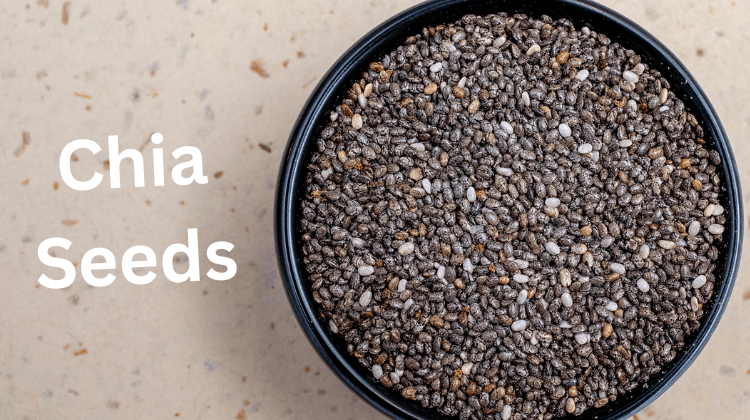
Both flax and chia seeds are rich in fiber and omega-3 fatty acids, and both form a gel-like substance when soaked in liquid—helpful for stool softening and gentle elimination.
| Feature | Flax Seeds | Chia Seeds |
| Fiber (per tbsp) | ~3g | ~5g |
| Omega-3s | High | High |
| Gel-forming ability | Moderate | Stronger |
| Digestibility | Best when ground | Can be eaten whole or soaked |
Verdict:
Chia seeds are slightly higher in total fiber and form a thicker gel, making them excellent for relieving constipation. However, flax seeds offer more lignans (beneficial antioxidants) and are superior for feeding gut bacteria due to their prebiotic properties. Both are great—your choice depends on your specific digestive needs.
Flax Seeds vs. Psyllium Husk
Psyllium husk is a well-known, medically used soluble fiber supplement derived from the seeds of Plantago ovata. It absorbs water and expands in the gut, helping to bulk up and soften stool.
| Feature | Flax Seeds | Psyllium Husk |
| Type of fiber | Soluble & insoluble | Mostly soluble |
| Prebiotic effects | Moderate | Limited |
| Laxative strength | Gentle | Strong |
| Nutritional profile | Rich in omega-3s, lignans | Low nutritional value |
Verdict:
Psyllium husk is more effective as a bulk-forming laxative and is often used for managing constipation or IBS symptoms. Flax seeds, while gentler, provide added nutritional and anti-inflammatory benefits, making them better for daily gut support and long-term colon health.
Flax Seeds vs. Sunflower Seeds
Sunflower seeds are nutrient-dense, rich in healthy fats, protein, and vitamin E. However, they contain very little fiber compared to flax, chia, or psyllium.
| Feature | Flax Seeds | Sunflower Seeds |
| Fiber (per tbsp) | ~3g | ~1g |
| Omega-3 content | High | Low |
| Digestive benefits | Strong | Minimal |
| Prebiotic effects | Present | Limited |
Verdict:
While sunflower seeds are a great snack and good for heart and skin health, they don’t offer the same digestive support as flax seeds. They’re not ideal if your goal is regularity or microbiome balance.
Which Is More Effective for Constipation and Gut Flora?
For constipation relief:
- Psyllium husk is the most effective for fast relief.
- Chia seeds are also strong but gentler than psyllium.
- Flax seeds offer a balanced, milder approach suitable for daily use.
For gut flora and long-term gut health:
- Flax seeds stand out due to their prebiotic fiber, lignans, and anti-inflammatory properties that nourish beneficial bacteria.
- Chia has some prebiotic potential, but flax is better studied in this area.
Bottom Line:
If you’re looking for a natural, everyday solution to support digestion, regulate bowel movements, and promote a healthy gut environment, flax seeds are one of the best choices. They may not be as fast-acting as psyllium, but their overall digestive and nutritional benefits make them a long-term winner.
8. Expert Tips for Maximizing Digestive Benefits
To get the most out of flax seeds for your digestion, it’s not just about adding them to your diet—it’s also about how you consume them. By following a few simple expert-backed tips, you can enhance their effectiveness, avoid discomfort, and boost your gut health naturally.
Stay Well Hydrated When Consuming Flax Seeds
Flax seeds are rich in dietary fiber, especially soluble fiber, which absorbs water and forms a gel-like substance in the digestive tract. This gel helps soften stool, promote smooth bowel movements, and ease constipation. However, without enough water, fiber can actually have the opposite effect and cause bloating or even constipation.
💧 Pro Tip:
Drink at least 8–10 glasses of water daily—especially when you’re adding flax seeds to your diet. If you’re taking them as flaxseed water or in smoothies, you’re already getting some hydration built in.
Combine Flax Seeds with Other Gut-Friendly Foods
Flax seeds work even better when paired with complementary foods that support digestive health. These include:
- High-fiber fruits: like bananas, apples (with skin), berries, and pears
- Leafy greens and non-starchy vegetables: rich in antioxidants and fiber
- Whole grains: like oats, quinoa, and brown rice
- Legumes: chickpeas, lentils, and beans provide bulk and variety in fiber types
Creating fiber diversity in your meals helps different types of gut bacteria thrive and improves overall digestive resilience.
🥗 Example Gut-Boosting Combo:
A smoothie with ground flaxseed, banana, spinach, oats, and almond milk offers a great balance of soluble and insoluble fiber, vitamins, and hydration.
Pair with Probiotics and Fermented Foods
Flax seeds are prebiotic in nature—meaning they feed the good bacteria already living in your gut. But to truly optimize your digestive health, it helps to also introduce probiotics, which are live beneficial bacteria.
Great probiotic sources include:
- Yogurt (with live cultures)
- Kefir
- Sauerkraut
- Kimchi
- Miso
- Tempeh
🥣 Why it works:
Pairing flax seeds with probiotics creates a synbiotic effect—a combination of prebiotics (flax) and probiotics (fermented foods)—which helps build a stronger and more diverse microbiome. A balanced microbiome leads to better digestion, nutrient absorption, and immune function.
9. Final Thoughts
Flax seeds may be tiny, but their impact on digestion is anything but small. From promoting regular bowel movements to supporting a healthy gut microbiome, these nutrient-dense seeds are one of the most natural and effective ways to enhance your digestive health.
With their powerful blend of soluble and insoluble fiber, flax seeds help soften stool, relieve constipation, and encourage gentle detoxification. Their prebiotic properties feed beneficial gut bacteria, contributing to improved digestion, better nutrient absorption, and reduced inflammation throughout the digestive tract. They also offer long-term colon support—making them a valuable ally for maintaining gut health as you age.
Consistency Is Key
Like most natural remedies, flax seeds work best when consumed regularly. Making them a consistent part of your routine—whether in your morning smoothie, sprinkled on yogurt, or taken as flaxseed water—ensures that your digestive system benefits from their fiber, lignans, and omega-3s over time.
Start small if you’re new to fiber-rich foods, and gradually increase your intake while staying hydrated. This simple habit can lead to meaningful improvements in gut health, energy levels, and overall well-being.
When to Consult a Doctor or Nutritionist
While flax seeds are safe for most people, there are a few situations where professional guidance is recommended:
- You have a sensitive gut, such as IBS or inflammatory bowel disease
- You experience persistent bloating, gas, or irregular bowel habits
- You’re on medications like blood thinners or diabetes drugs
- You have hormone-sensitive conditions and are unsure if lignans are appropriate for you
In these cases, speaking with a nutritionist or healthcare provider can help you tailor your flax seed intake to your body’s unique needs—safely and effectively.
Incorporating flax seeds into your diet is a small step that can lead to big digestive benefits. With the right approach and consistency, your gut will thank you.
10. FAQs About Flax Seeds
Is it okay to eat flax seeds every day for digestion?
Yes, it’s perfectly safe—and even beneficial—for most people to eat 1 to 2 tablespoons of ground flax seeds daily. Regular intake supports bowel regularity, softens stool, and helps maintain a healthy gut microbiome. Just be sure to stay well hydrated to avoid digestive discomfort.
Can flax seeds cause bloating or gas?
Flax seeds can cause temporary bloating or gas, especially if you’re not used to high-fiber foods or if you consume too much at once. To prevent this, start with small amounts (½ to 1 tsp daily) and gradually increase your intake, drinking plenty of water throughout the day.
How long does it take for flax seeds to help with constipation?
Many people notice relief within 12 to 72 hours after starting flax seeds—especially when consumed as flaxseed water or added to a high-fiber meal. However, the effect varies depending on your diet, hydration levels, and overall gut health.
What is the best form of flaxseed for digestion?
Ground flaxseed (also called flaxseed meal) is the best form for digestive health. It allows for better absorption of nutrients and fiber, whereas whole flax seeds often pass through the digestive system undigested. Always choose fresh, finely ground flax for maximum benefit.
Can flax seeds help with IBS?
Flax seeds may help relieve constipation-predominant IBS (IBS-C) due to their fiber and mucilage content. However, people with sensitive guts or IBS-D (diarrhea-predominant) should introduce flax slowly and monitor symptoms. Consulting a doctor or dietitian is recommended for personalized advice.