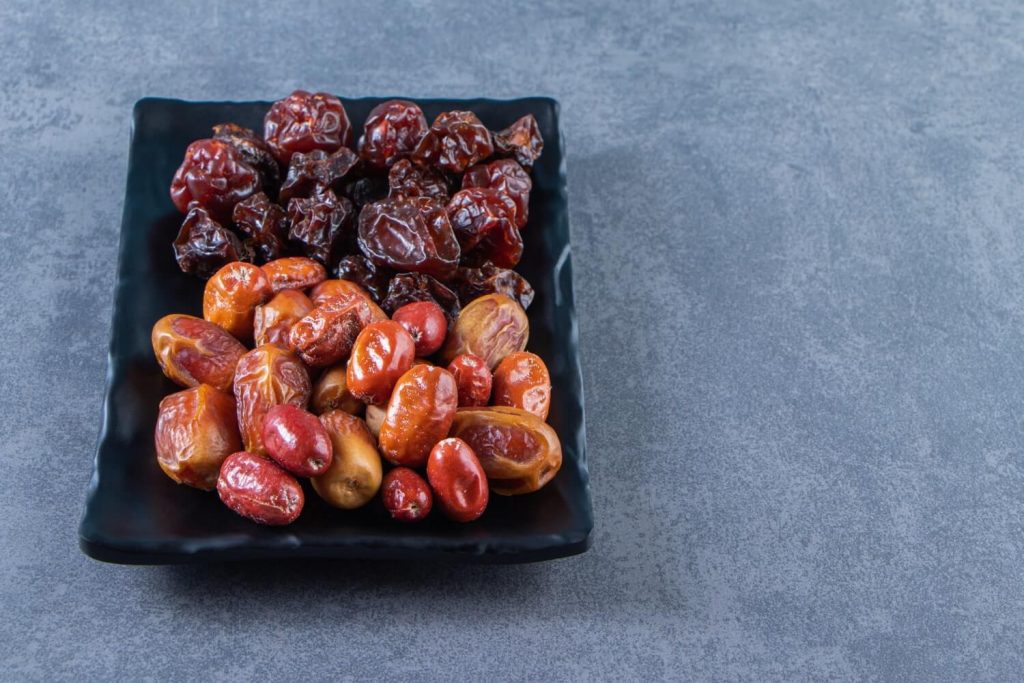
Dates are naturally sweet and packed with nutrients, but many diabetics wonder if these chewy fruits can trigger a blood sugar spike.
This guide breaks down the science, glycemic impact, safest ways to eat dates, and expert-backed recommendations for diabetes management.
Key Nutrients in Dates
Natural sugars (glucose, fructose, sucrose)
Dates contain a natural blend of glucose, fructose, and sucrose. These sugars are absorbed at different speeds, which helps provide steady energy instead of a sudden rush. This balanced sugar profile is one reason dates feel satisfying even in small amounts.
Dietary fiber
Each date contains a good amount of soluble and insoluble fiber that slows digestion and sugar absorption. For diabetics, this fiber acts like a buffer reducing the chance of rapid spikes and supporting smoother glucose control.
Potassium, magnesium, iron
Dates are packed with minerals that support daily health:
- Potassium: balances fluids and supports heart health.
- Magnesium: plays a role in insulin sensitivity and blood sugar regulation.
- Iron: helps prevent fatigue and supports healthy blood flow.
Even though dates are small, their mineral density makes them a powerful nutrient source.
Antioxidants: flavonoids, phenolic acids
Dates are naturally rich in antioxidants such as flavonoids and phenolic acids. These compounds help fight inflammation, protect cells from oxidative stress, and support metabolic health especially important for people with diabetes who experience higher levels of inflammation.
Types of Dates and Their Sugar Profiles
Medjool vs. Ajwa vs. Deglet Noor
Different varieties of dates have different sweetness levels and nutrient density:
- Medjool: Known as the “King of Dates,” they’re large, soft, and highest in sugar.
- Ajwa: Medium sweetness with strong antioxidant benefits; gentler on blood sugar.
- Deglet Noor: Semi-dry and less sweet, making them more suitable for diabetics.
Soft, semi-dry, dry varieties
Dates fall into three main texture categories, each affecting sugar release:
- Soft dates → higher moisture, higher sugar, faster absorption.
- Semi-dry dates → moderate sweetness, moderate sugar release.
- Dry dates → higher fiber, slower digestion, better for blood sugar stability.
Which varieties have slower sugar release?
Dry and semi-dry varieties such as Deglet Noor, Aseel, and traditional dry Chuwara tend to release sugar more slowly because of their fiber content and lower moisture levels. These options generally cause gentler blood sugar changes.
Glycemic Index of Dates (GI 42–55)
What the GI means for people with diabetes
Dates fall into a low to medium GI range (42–55). This means they don’t raise blood sugar as rapidly as high-GI foods like white bread, pastries, or sugary drinks. However, the GI can vary depending on the type of date and ripeness.
Why fiber content matters
Fiber is one of the main reasons dates don’t cause dramatic sugar spikes. It slows digestion and sugar absorption, helping maintain steady glucose levels. Dates with higher fiber (like dry varieties) usually have a more stable impact on blood sugar.
Portion size impact
- Even with a moderate GI, dates are calorie-dense.
- 1-2 dates per serving usually keeps glucose levels stable.
- Eating 4-6 dates at once can lead to noticeable sugar spikes, especially in people with uncontrolled diabetes.
Are Dates Safe for Diabetics?
Dates are naturally sweet, but that doesn’t automatically make them unsafe for people with diabetes. The key is understanding how dates affect blood sugar, the benefits they offer, and the situations where caution is needed.
Let’s break it down with evidence-based insights.
How Dates Affect Blood Sugar
Slow-to-moderate glucose release
Unlike refined sugar, the natural sugars in dates are absorbed gradually. This slow-to-moderate release provides energy over time instead of causing a sharp spike in blood glucose. Semi-dry and dry date varieties tend to have the gentlest impact on blood sugar levels.
Impact of fiber on insulin response
Fiber in dates plays a crucial role in stabilizing glucose. Soluble fiber slows digestion and delays sugar absorption, helping insulin work more efficiently. This can make dates a better sweet treat option than candy or sugar-laden desserts.
Absorption differences between varieties
Not all dates are equal:
- Medjool dates: Higher sugar content → faster absorption → higher post-meal glucose rise.
- Ajwa & Deglet Noor: Moderate sugar and higher fiber → slower absorption → gentler glucose response.
Choosing the right variety and portion size is key for diabetics.
Benefits of Dates for Diabetics
Natural energy boost
Dates provide quick yet sustained energy, making them a healthy snack for those needing a mid-day pick-me-up or pre-workout fuel.
Digestive support
High fiber content supports healthy digestion and helps prevent constipation, which is particularly useful for diabetics who may experience digestive irregularities.
Rich in potassium and antioxidants
Potassium helps regulate blood pressure and heart function, while antioxidants reduce oxidative stress both important for metabolic and cardiovascular health.
Helps reduce sugar cravings
Because they satisfy a sweet tooth naturally, dates may reduce the temptation to eat processed sugary foods, which can be more harmful to blood sugar control.
Risks & Blood Sugar Concerns
Overconsumption leading to spikes
Even though dates release sugar slowly, eating large quantities (4–6 or more at once) can overwhelm insulin response, causing blood sugar spikes.
Difference in GI when eaten alone vs. with protein
Eating dates alone can increase the glycemic response slightly. Pairing them with protein or healthy fats like nuts or yogurt, slows absorption and reduces the risk of spikes.
Risks for poorly controlled diabetes
For people with uncontrolled blood sugar or high HbA1c, even moderate amounts of dates may temporarily raise glucose levels. Careful monitoring and portion control are essential.
Who Should Limit or Avoid Dates?
- People with uncontrolled HbA1c: High average blood sugar levels increase the risk of spikes.
- Insulin-dependent diabetics: Large portions may require additional insulin adjustments.
- Patients on strict low-carb diets: Dates are carb-dense and can disrupt ketosis or carb limits.
- Those with diabetic neuropathy & weight gain issues: Extra sugar, even natural, can contribute to metabolic complications or calorie excess.
Best Way to Eat Dates Without Spiking Blood Sugar
Dates are nutritious, but portion size, timing, and pairing with other foods are key for diabetics to enjoy them safely. With a few simple strategies, you can satisfy your sweet tooth without causing a significant blood sugar spike.
Portion-Control Strategy
For most people with diabetes, 1–2 dates per day is considered safe. This small serving provides nutrients and energy without overwhelming insulin response.
Instead of eating multiple dates at once, spread them out throughout the day. For example, one date mid-morning and one in the afternoon can provide steady energy while keeping blood sugar stable.
Pairing Dates With Other Foods (Low GI Combinations)
Pairing dates with protein or healthy fats slows sugar absorption and reduces glucose spikes:
- Dates + nuts (almonds, walnuts): Healthy fats and protein create a low-GI snack.
- Dates + yogurt: Combines natural sweetness with protein and probiotics, aiding digestion and blood sugar control.
- Dates stuffed with peanut butter: A satisfying snack with fiber, protein, and healthy fat to minimize spikes.
Best Time to Eat Dates for Diabetics
Post-meal vs. empty stomach
Eating dates after a balanced meal slows sugar absorption compared to consuming them on an empty stomach. Pairing with carbs, protein, or fiber-rich foods helps maintain stable glucose levels.
Before workouts
Dates are a quick source of energy and can be eaten 30–60 minutes before exercise. The natural sugars provide fuel for muscles, while fiber prevents rapid spikes.
Evening snack considerations
If you prefer dates as an evening snack, combine them with protein or low-fat yogurt to prevent overnight blood sugar swings. Avoid eating large portions alone right before bed.
Healthier Forms of Dates
Whole dates vs. date syrup
- Whole dates: Contain fiber, slow sugar absorption, and are nutrient-dense.
- Date syrup: Lacks fiber, is concentrated in sugar, and can spike glucose faster.
Medjool vs. Ajwa for glucose stability
- Medjool dates: Soft and high in sugar; should be limited in portion.
- Ajwa dates: Lower sugar and higher antioxidant content; better for diabetics.
Avoiding date sugar in processed foods
Many processed snacks and energy bars use date sugar or syrup. Even though it’s natural, it can still raise blood sugar quickly due to lack of fiber and concentrated carbs. Stick to whole dates whenever possible.
Comparing Dates With Other Sweeteners (Diabetic Perspective)
For people with diabetes, choosing the right sweetener can make a big difference in blood sugar control. Let’s compare dates with common natural and artificial sweeteners to see which options are safer and more beneficial.
Dates vs. Honey
Glycemic differences
- Dates: Low-to-moderate glycemic index (GI 42–55), slower sugar release due to fiber.
- Honey: Higher GI (around 58–65) and more rapidly absorbed, causing faster blood sugar rises.
Which is safer?
For diabetics, dates are generally safer than honey when eaten in moderation because their fiber content slows glucose absorption. Honey may cause faster spikes if consumed alone or in large amounts.
Dates vs. Jaggery & Brown Sugar
Nutritional comparison
- Dates: Rich in fiber, potassium, magnesium, and antioxidants.
- Jaggery & Brown Sugar: Provide mostly sucrose with minimal fiber or micronutrients.
Which causes higher spikes?
- Jaggery & brown sugar typically cause higher and faster blood sugar spikes compared to whole dates.
- Dates offer a more balanced release of glucose, making them preferable for diabetics who want a sweet treat.
Dates vs. Artificial Sweeteners
Safety
Artificial sweeteners like sucralose, aspartame, or stevia do not add sugar or calories, and are generally safe for people with diabetes in moderate amounts.
Insulin response
Some studies suggest certain artificial sweeteners may trigger minimal insulin response or cravings, while dates cause a natural, controlled glucose response due to fiber and nutrients.
Impact on gut health
- Artificial sweeteners may affect gut microbiota if consumed excessively.
- Dates, being natural and high in fiber, support healthy digestion and gut function, making them a more holistic choice.
How Many Dates Can a Diabetic Eat Per Day?
Dates are nutritious and satisfying, but for diabetics, moderation is essential. Knowing how many dates to eat daily can help maintain stable blood sugar while still enjoying their natural sweetness.
Recommended Daily Intake
Standard guideline (1–2 dates)
Most nutrition experts recommend 1–2 dates per day for people with diabetes. This small portion provides fiber, minerals, and antioxidants without causing a major blood sugar spike.
Based on calorie needs
Dates are calorie-dense, with about 60–70 calories per Medjool date. Adjust your intake depending on your daily caloric requirements. For someone on a 1,800–2,000 calorie diet, one date as a snack fits well within energy needs.
Based on weight/BMI
- Individuals with healthy weight can typically enjoy 2 dates per day.
- Those overweight or trying to lose weight may need to limit to 1 date or pair with protein/fiber to avoid excess calories and glucose load.
Portion Examples
1 Medjool date = 2 small dates
Medjool dates are large and sweet, so 1 Medjool is equivalent to 2 smaller dates like Deglet Noor. This helps in controlling sugar intake while still enjoying a satisfying portion.
Carb and sugar equivalents
- 1 Medjool date: ~18g carbs, ~16g sugar
- 2 small dates: ~16–18g carbs, ~14–15g sugar
How to fit into a 45–60g carbohydrate meal plan
If your meal plan allows 45–60g carbs per meal, 1–2 dates can be included as a dessert or snack by adjusting other carbs slightly:
- Example: Add 1 date to breakfast oatmeal, but reduce half a slice of bread.
- Example: 2 small dates as an afternoon snack, paired with 10–12 almonds to balance carbs.
When to Avoid Dates (Warning Signs)
While dates can be a healthy treat for many, they may not be suitable in certain situations. Recognizing warning signs of high blood sugar and understanding who should avoid dates entirely can help diabetics stay safe and manage glucose effectively.
Symptoms of High Blood Sugar After Eating Dates
Even a small portion of dates can sometimes trigger spikes in blood sugar for sensitive individuals. Watch for these warning signs:
- Fatigue: Feeling unusually tired or lethargic after eating dates.
- Excess thirst: Persistent thirst may indicate elevated blood sugar levels.
- Brain fog: Difficulty concentrating or feeling mentally “cloudy.”
- Rapid heartbeat: Palpitations can occur if blood sugar rises quickly.
If you notice any of these symptoms, it’s a signal to reduce portion size or monitor glucose more closely after consuming dates.
Who Should Avoid Dates Completely?
Some people with diabetes or metabolic conditions may need to avoid dates entirely:
- Patients with severe insulin resistance: Their bodies may struggle to handle even small amounts of sugar.
- Those with frequent hyperglycemia episodes: Eating dates can worsen high blood sugar episodes.
- Patients advised by doctors due to metabolic complications: Individuals with kidney issues, advanced diabetes complications, or other endocrine disorders may need to skip dates.
Dates for Diabetics During Ramadan
Dates are traditionally used to break the fast during Ramadan, providing a quick source of energy after hours of fasting. For diabetics, it’s important to enjoy dates safely while maintaining blood sugar control.
Using Dates to Break the Fast Safely
How many dates to eat
For diabetics, 1–2 dates is sufficient to break the fast. This portion provides natural sugars for immediate energy without causing a rapid blood sugar spike. Avoid consuming large quantities at iftar, as it can overwhelm insulin response.
Pairing with protein to avoid spikes
Combine dates with protein or healthy fats to stabilize glucose levels:
Dates + nuts (almonds, walnuts)
Dates + low-fat yogurt
Dates + boiled eggs or cheese
Protein slows sugar absorption, helping prevent post-iftar spikes and providing sustained energy throughout the evening.
Suhoor Considerations
Energy release
Eating dates at suhoor (pre-dawn meal) can provide slow-releasing energy throughout the day. Pairing them with complex carbs, protein, and fiber ensures that energy lasts longer and prevents mid-day fatigue.
Satiety benefits
Dates help diabetics feel full due to their fiber content. This reduces the temptation to overeat or consume sugary foods during iftar, supporting better blood sugar control.
Sugar management with other foods
At suhoor, balance dates with other low-GI foods like oats, whole-grain bread, or eggs. This combination prevents sudden glucose spikes while keeping energy levels steady for fasting hours.
Scientific Evidence: What Research Says
For diabetics, understanding the science behind dates is crucial. Research helps clarify how dates affect blood sugar, the role of fiber and antioxidants, and why portion control matters.
Clinical Studies on Dates & Glycemic Response
Controlled trials
Several clinical studies have tested the effects of dates on blood sugar in people with diabetes:
- Moderate consumption of dates does not cause significant spikes in glucose levels.
- Dates eaten with protein or fiber-rich foods show a slower, steadier glucose release compared to refined sugar.
- Small studies indicate that Ajwa and Deglet Noor dates may have a gentler impact on blood sugar than Medjool dates.
GI classifications
Dates generally fall into a low-to-medium glycemic index range (GI 42–55). This means they are absorbed slower than high-GI foods like white bread or sweets, supporting better post-meal glucose control.
Expert Opinions (Endocrinologists & Nutritionists)
Moderation
Medical experts emphasize that moderation is key. Even though dates contain natural sugars, 1–2 dates per day are usually safe for most diabetics. Overconsumption can still lead to blood sugar spikes.
Individual glucose tolerance variation
Experts highlight that individual responses vary. Some people may tolerate dates well, while others, especially those with insulin resistance or poorly controlled diabetes may need smaller portions or avoid them altogether.
Role of Fiber & Antioxidants in Blood Sugar Control
Slowing absorption
Fiber in dates slows the absorption of sugar in the gut, helping maintain steady blood sugar levels after eating.
Reducing inflammation
Antioxidants like flavonoids and phenolic acids help reduce oxidative stress and inflammation, which are often higher in diabetics and can affect insulin sensitivity.
Supporting metabolism
The combined effect of fiber, minerals, and antioxidants in dates may support overall metabolic health, contributing to better long-term glucose regulation and cardiovascular support.
Best Date Varieties for Diabetics
Not all dates affect blood sugar the same way. Choosing the right variety can make a big difference for diabetics who want to enjoy their natural sweetness safely.
Ajwa Dates
- Lower GI: Ajwa dates have a moderate glycemic index, meaning they release sugar more slowly into the bloodstream.
- High antioxidants: Rich in flavonoids and phenolic acids, Ajwa dates help reduce inflammation and oxidative stress.
- Traditional medicinal value: Historically, Ajwa dates are valued for heart health and metabolic support, making them a preferred choice for blood sugar management.
Medjool Dates
- Highest sugar content: Medjool dates are large, soft, and very sweet, with more sugar per date than most varieties.
- Must be limited: While nutritious, diabetics should limit Medjool intake to 1 small piece or pair with protein/fiber to avoid spikes.
Deglet Noor Dates
- Lower sugar than Medjool: Deglet Noor dates are semi-dry with less sugar and more fiber, which slows digestion.
- More suitable for diabetics: Their moderate glycemic index makes them a safe choice when eaten in controlled portions.
Local Varieties of Dates
- Aseel Dates: Sweet, firm, and widely available; moderate sugar content makes them suitable in small portions.
- Dhakki Dates: Popular in Pakistan, slightly drier with slower sugar release; good for diabetics mindful of portion size.
- Irani Dates: Imported but common locally; check moisture content—drier Irani dates tend to be better for blood sugar control.
How to Include Dates in a Diabetic-Friendly Diet
Dates can be a delicious and nutritious addition to a diabetic-friendly diet when eaten in moderation and paired wisely. With smart planning, you can enjoy their natural sweetness without compromising blood sugar control.
Smart Meal Planning Ideas
- Sprinkle chopped dates on oats: Adding 1 small date to your morning oats provides natural sweetness and fiber, without spiking glucose levels.
- Add to smoothies with protein: Blend dates with Greek yogurt, milk, or a protein powder to slow sugar absorption and keep you full longer.
- Use in small amounts as a sweetener substitute: Replace refined sugar in recipes like muffins or pancakes with finely chopped dates, adjusting portions to avoid excess carbs.
Simple Snack Ideas
Combining dates with protein or healthy fats creates a balanced, low-GI snack:
- 1 date + 5 almonds: A perfect mid-morning or afternoon snack for steady energy.
- 1 date + 1 tbsp peanut butter: Satisfies sweet cravings while adding protein and healthy fats.
- 1 date + low-fat yogurt: Combines natural sweetness with probiotics and protein, supporting digestion and blood sugar stability.
Safe Desserts Using Dates
You don’t need to skip dessert, dates can make diabetes-friendly sweets:
- Date energy balls: Blend dates with nuts and seeds for bite-sized, nutrient-dense treats.
- Date-based chia pudding: Mix dates with chia seeds and milk or almond milk for a sweet, fiber-rich pudding.
- Baked date oatmeal bites: Replace sugar with chopped dates in oatmeal bites for a naturally sweet, slow-energy dessert.
When to See a Doctor
While dates are generally safe for many diabetics, there are situations where medical guidance is essential. Recognizing warning signs and understanding who should consult a healthcare provider can prevent complications.
If You Notice These Symptoms After Eating Dates
Certain reactions may indicate that dates are affecting your blood sugar more than expected. Seek medical advice if you experience:
- Frequent hyperglycemia: Consistently high blood sugar readings after consuming dates.
- Rapid glucose spikes on glucometer: Sudden rises that don’t stabilize with normal insulin or diet adjustments.
- Feeling weak or dizzy: Symptoms that may indicate unsafe fluctuations in glucose levels.
- Sudden weight gain: Unexpected weight changes linked to overconsumption of high-calorie foods like dates.
These signs suggest that portion size, timing, or variety may need adjustment under professional supervision.
Diabetic Patients Who Need Medical Advice Before Eating Dates
Some individuals should consult their doctor before including dates in their diet:
- Those on insulin: Dates can affect insulin dosing and timing, requiring professional guidance.
- People with kidney issues: High potassium content in dates may not be safe for those with impaired kidney function.
- Pregnant women with gestational diabetes: Dates may affect glucose control and require careful monitoring.
Final Takeaway
Dates can be a safe, nutritious, and satisfying treat for people with diabetes when enjoyed wisely. Keep these key points in mind:
- Portion control matters: Stick to 1–2 dates per day to prevent blood sugar spikes.
- Pair with protein or fiber: Combining dates with nuts, yogurt, or seeds slows sugar absorption.
- Choose lower-GI varieties: Ajwa, Deglet Noor, and select Pakistani dates that are gentler on glucose levels.
- Monitor your response: Track how your body reacts to dates and adjust portions accordingly.
- Consult your doctor: Seek professional guidance if you notice unusual glucose spikes, rapid weight gain, or other symptoms.
With moderation, smart pairings, and awareness, dates can be a sweet, diabetes-friendly addition to your diet.
FAQs About Dates for Diabetics
Are dates good for diabetics?
Yes, dates can be a nutritious snack for diabetics when eaten in moderation. They provide fiber, potassium, magnesium, and antioxidants, which help support blood sugar stability and overall metabolic health. Choosing lower-GI varieties and pairing with protein or nuts makes them even safer.
Do dates increase blood sugar quickly?
Dates release sugar slowly to moderately, depending on the variety and portion. Dry or semi-dry dates with higher fiber (like Ajwa or Deglet Noor) have a gentler effect on glucose, while large, soft Medjool dates can raise blood sugar faster if eaten in large amounts.
How many dates can diabetics eat per day?
For most people with diabetes, 1–2 dates per day is considered safe. This portion provides natural sweetness and nutrients without overwhelming insulin response. Always monitor your glucose and adjust according to your meal plan.
Which date variety is best for diabetics?
Ajwa dates: Lower GI, high in antioxidants, historically used for metabolic support.
Deglet Noor: Semi-dry, lower sugar than Medjool, moderate GI.
Pakistani varieties (Aseel, Dhakki, Irani): Choose drier or medium-sweet options for better glucose control.Can dates replace sugar for people with diabetes?
Yes, in moderation. Chopped or mashed dates can replace refined sugar in recipes, adding fiber and micronutrients. Avoid concentrated forms like date syrup or paste in large amounts, as they lack fiber and can spike blood sugar faster.
Are dates safe for people with type 2 diabetes?
Yes, type 2 diabetics can enjoy dates in controlled portions. Pairing with protein, fiber, or healthy fats helps maintain stable blood sugar, while choosing lower-GI varieties supports better long-term glucose management.
Should type 1 diabetics avoid dates?
Type 1 diabetics do not need to avoid dates entirely, but careful portion control and monitoring are essential. Since insulin dosing must be adjusted for carbohydrate intake, consuming 1–2 dates with a balanced meal is generally safe under supervision.
Are date syrups or pastes safe for diabetics?
Use caution. Date syrups or pastes are concentrated in sugar and lack fiber, leading to faster glucose spikes compared to whole dates. If used, limit portions and pair with protein or fiber to reduce the impact on blood sugar.